1. Food Science, Food Security, Nutrition, and Processing Technologies
This track addresses interdisciplinary research aimed at ensuring safe, nutritious, and sustainable food systems. It covers advanced food processing technologies, functional foods, nutraceutical development, food safety and quality assurance, post-harvest preservation, and smart food packaging systems. Contributions focusing on food system modeling, alternative proteins, bioactive compounds, supply chain resilience, and innovations addressing global food security challenges are particularly encouraged.
2. Sustainable and Smart Agricultural Technologies
This track focuses on technological innovations that enhance agricultural productivity while ensuring environmental sustainability. Topics include precision agriculture, digital farming platforms, climate-smart agriculture, soil health monitoring, smart irrigation systems, remote sensing, agri-robotics, and sustainable crop and livestock systems. Research integrating AI, IoT, and data-driven decision-making for resilient agri-food systems is highly welcomed.
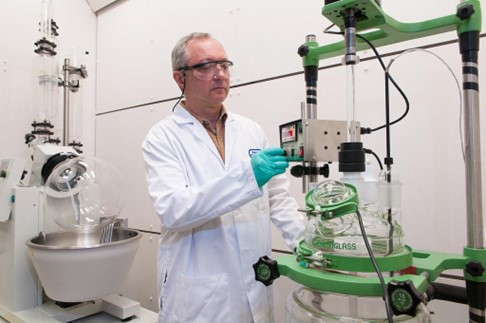
3. Biotechnology, Bioengineering, and Industrial Bioprocess Systems
This track encompasses cutting-edge research in molecular biotechnology, synthetic biology, metabolic engineering, fermentation technology, enzyme engineering, and industrial bioprocess optimization. It welcomes contributions in marine biotechnology, bioactive compound discovery, biorefinery systems, biopharmaceutical production, and scale-up strategies for sustainable bio-based industries. Translational research linking laboratory innovation to industrial application is strongly encouraged.
4. Artificial Intelligence, Data Science, and Intelligent Information Systems
This track covers theoretical and applied research in artificial intelligence, machine learning, deep learning, big data analytics, intelligent decision-support systems, and digital transformation frameworks. It includes AI applications in healthcare, agriculture, manufacturing, and sustainability, as well as issues related to explainable AI, data governance, ethical AI, and socio-technical system integration.
5. Communication Networks, Cyber-Physical Systems, and Interactive Technologies
This track explores advanced communication and connectivity systems including IoT architectures, 5G/6G technologies, wireless sensor networks, cybersecurity frameworks, embedded systems, and distributed computing. It also includes immersive technologies such as augmented and virtual reality, human–computer interaction, and interactive digital platforms. Emphasis is placed on secure, scalable, and intelligent cyber-physical ecosystems.
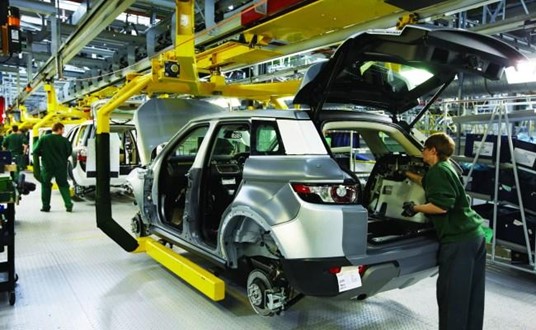
6. Mechatronics, Robotics, Automotive, and Autonomous Systems Engineering
This track focuses on integrated mechanical, electronic, and computational systems. Topics include robotics and intelligent automation, autonomous vehicles, advanced control systems, smart manufacturing, digital twins, industrial automation, and cyber-physical production systems. Research addressing Industry 4.0 and next-generation mobility solutions is particularly encouraged.
7. Advanced Materials, Process Engineering, and Industrial Technologies
This track covers research in advanced and functional materials, nanomaterials, biomaterials, surface engineering, additive manufacturing, and sustainable materials processing. It also includes process intensification, industrial process modeling, optimization techniques, and smart manufacturing technologies. Contributions addressing circular materials economy and low-carbon industrial processes are welcome.
8. Sustainable Energy, Environmental Engineering, and Climate Technologies
This track addresses renewable energy technologies (solar, wind, biomass, hydrogen), energy storage systems, smart grids, carbon capture and utilization, environmental remediation, water treatment, waste valorization, and life-cycle assessment. Research supporting climate mitigation, adaptation strategies, and circular economy principles is strongly encouraged.
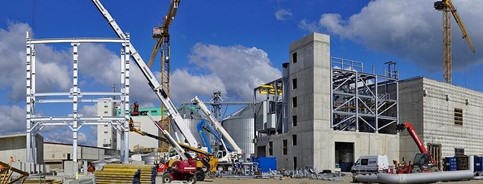
9. Civil Infrastructure, Construction Technologies, and Geotechnical Systems
This track includes research on sustainable construction materials, smart and resilient infrastructure systems, structural health monitoring, geotechnical modeling, disaster mitigation, and urban sustainability. Topics such as digital construction technologies, BIM integration, green building systems, and resource-efficient infrastructure development are welcome.
10. Technology Innovation, Education, and Engineering Management
This track focuses on research in technology transfer, innovation ecosystems, entrepreneurship, digital transformation strategy, sustainability governance, R&D management, and engineering education methodologies. Interdisciplinary studies examining policy frameworks, commercialization pathways, and capacity building in emerging technological domains are encouraged.
ICIET 2026 will focus on and accept abstracts under the above main themes, but is not limited to the subtopics listed under the respective themes.